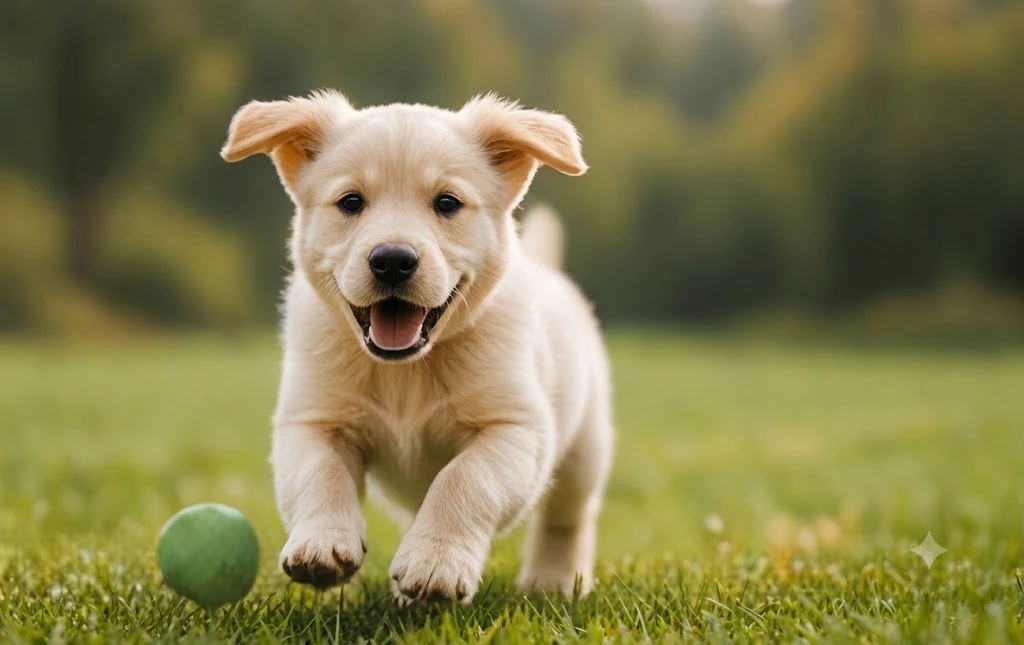
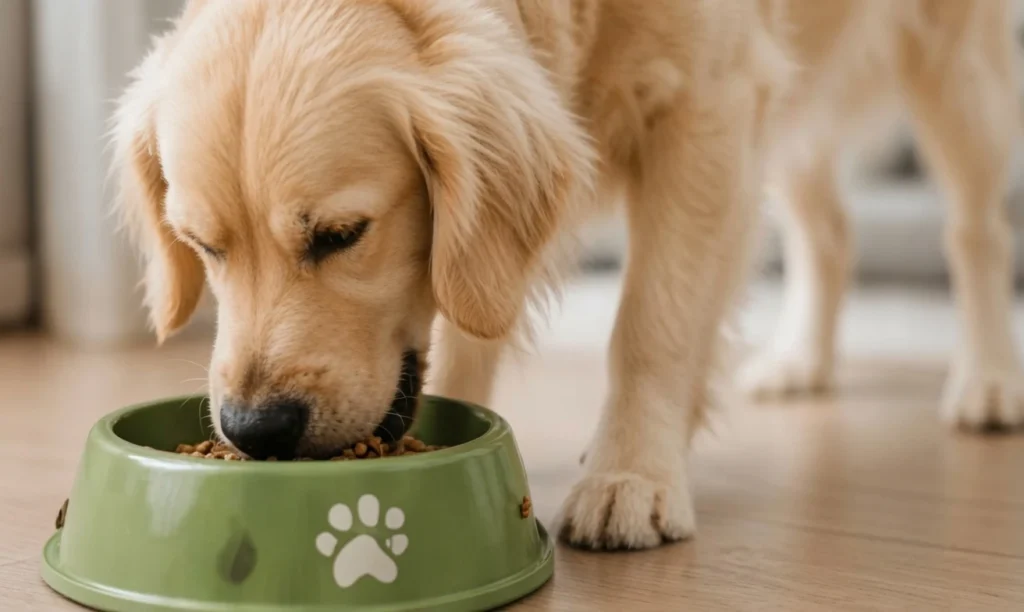
Bringing home a new puppy is an exciting experience filled with playful moments and new adventures. However, raising a well-behaved dog requires patience, consistency, and the right training approach from the very beginning. Early training helps puppies develop good habits, understand household rules, and build confidence as they grow.
If you’re a first-time dog owner, this beginner’s guide will help you lay a strong foundation for a happy, well-mannered companion.
1. Begin Training from Day One
Puppies start learning as soon as they enter their new home. Introduce simple routines immediately, including feeding times, potty breaks, and sleeping schedules. Starting early helps your puppy understand expectations and adjust to their environment more quickly.
2. Focus on Basic Commands
Teaching a few essential commands creates the foundation for future training. Start with simple cues such as sit, stay, come, down, and leave it. Keep training sessions short, fun, and rewarding to maintain your puppy’s attention and enthusiasm.
3. Reward Desired Behaviors
Positive reinforcement is one of the most effective training methods. Whenever your puppy follows a command or behaves appropriately, offer praise, healthy treats, or a favorite toy. Rewarding good behavior encourages your puppy to repeat those actions and builds confidence during training.
4. Make Training Fun and Brief
Puppies learn more effectively through short, engaging lessons than lengthy practice sessions. Aim for several quick training periods throughout the day, lasting only a few minutes each. Keeping activities enjoyable helps your puppy stay interested and eager to learn without becoming overwhelmed.
5. Socialize Your Puppy Early
Introducing your puppy to different people, sounds, environments, and friendly animals helps them become more comfortable with new experiences. Early socialization reduces fear and encourages confident, well-adjusted behavior as your puppy grows.
6. Be Consistent with Rules
Consistency helps puppies learn faster. Use the same commands, hand signals, and household rules every day. If everyone in the family follows the same training approach, your puppy will understand expectations more clearly and avoid confusion.
7. Establish a Reliable Bathroom Routine
Successful potty training depends on consistency rather than speed. Take your puppy outside at regular times, such as after eating, waking up, playing, and before bedtime. When they use the correct spot, reward them immediately with praise or a small treat. If accidents happen indoors, clean them calmly and continue following the routine without punishment.
8. Prevent Biting and Chewing Problems
Puppies naturally explore the world with their mouths, but they need guidance to learn what is appropriate to chew. Provide safe chew toys and calmly redirect your puppy whenever they bite hands, shoes, or furniture. Consistent redirection helps develop good habits over time.
9. Finish with Something Your Puppy Knows
Before ending a training session, ask your puppy to perform a simple command they have already mastered. Reward their success with praise, play, or a treat so they associate training with positive experiences. This approach keeps them excited and confident for the next lesson.
10. Appreciate Every Step Forward
Learning new skills takes time, and every puppy develops at its own pace. Instead of expecting flawless behavior right away, recognize and celebrate small improvements along the way. Encouragement and patience help build your puppy’s confidence and create a positive learning environment.
Final Thoughts
Training a puppy is about more than teaching commands—it’s about building trust, communication, and lifelong companionship. By staying patient, rewarding positive behavior, and practicing consistently, you’ll help your puppy grow into a confident, well-behaved adult dog.
Remember that every puppy is unique. With kindness, encouragement, and regular practice, you’ll create a strong bond that lasts for years while giving your furry friend the skills they need to thrive.